Jiu Jitsu Escapes | Learning to Stay Calm Under Pressure

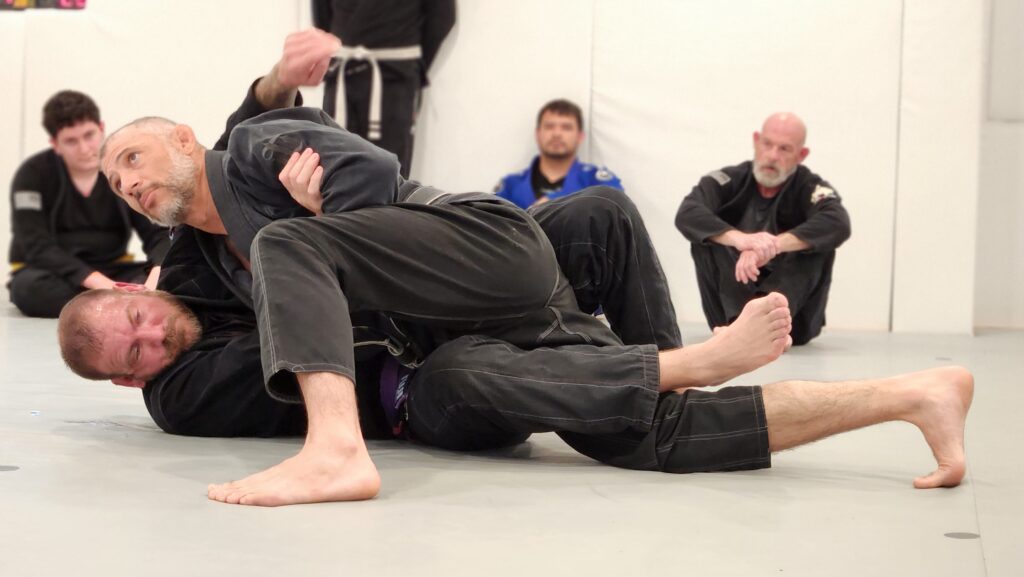
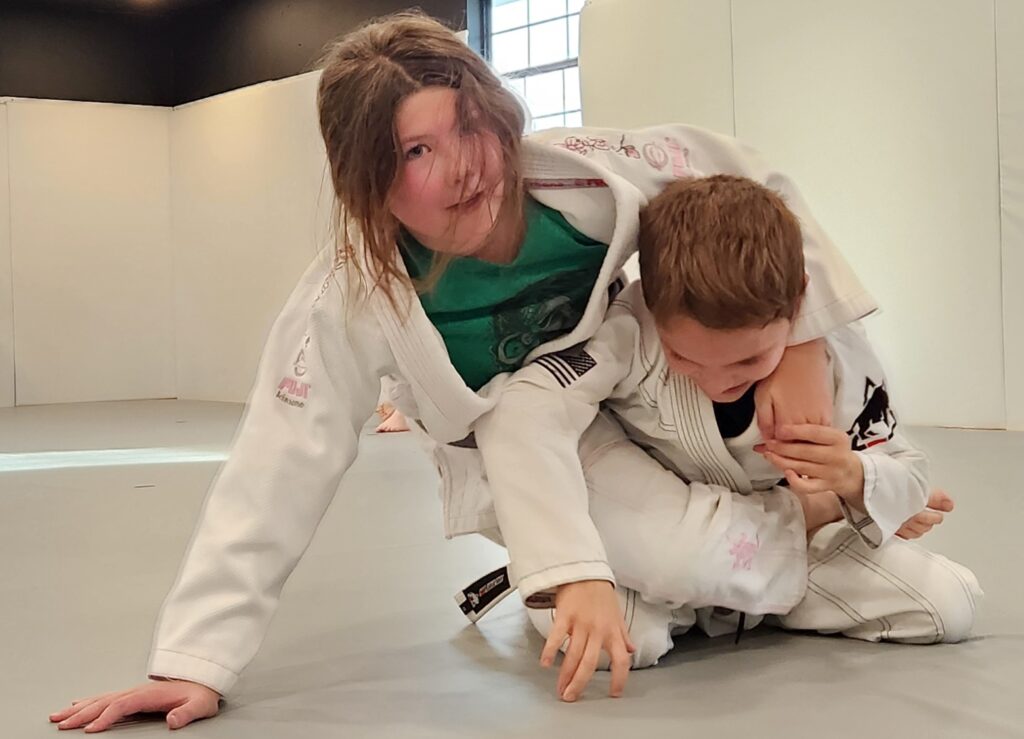
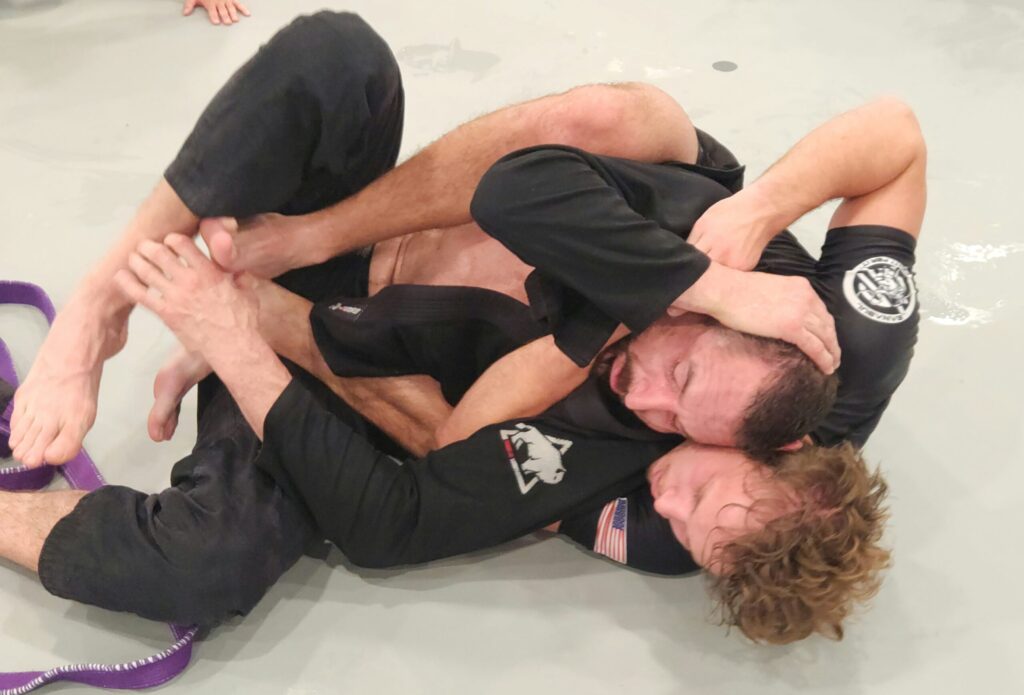
jiu jitsu escapes illustrated with side control showing calm control versus panic reaction and two training paths

Learning to Escape

One of the first real challenges students face in jiu jitsu is being stuck in a bad position.

Mounted.
Pinned.
Controlled.

The natural reaction is almost always the same.

They rush.

They try to explode out.
They fight without thinking.
They react emotionally instead of technically.

This is where jiu jitsu escapes begin—not with movement, but with mindset.


The Real Purpose of Escapes

At a surface level, jiu jitsu escapes are about getting out of bad positions.

But at a deeper level, they teach something far more important.

They teach you how to stay calm when you are uncomfortable.

Because the truth is simple:

If you cannot stay calm, you cannot solve the problem.

Learning jiu jitsu escapes forces you to slow down, breathe, and think your way through pressure instead of trying to fight your way out of it.

And over time, that changes everything.


The Mistake Most Students Make

The biggest mistake beginners make with jiu jitsu escapes is rushing.

They feel trapped, and their instinct is to get out as fast as possible.

But speed without understanding leads to wasted energy and failed attempts.

Instead of creating space, they create more pressure.
Instead of solving the position, they fight it.

Escapes are not about panic.

They are about process.


Where Escapes Actually Begin

Before any movement happens, there is a decision that has to be made.

Take a breath.
Relax.
Process the position.

Effective jiu jitsu escapes begin with composure.

When you calm down, you can begin to recognize:

  • where the pressure is coming from

  • where space can be created

  • what needs to be controlled first

Without that awareness, every escape attempt becomes guesswork.


Confidence Comes From the Worst Positions

One of the most important benefits of learning jiu jitsu escapes is confidence.

Not confidence from winning.

Confidence from understanding.

When you become comfortable in bad positions, something changes.

The fear starts to disappear.

Because what is there to fear if you know you can survive?

Students who develop strong escapes are willing to engage more.
They stay in rounds longer.
They stop avoiding difficult situations.

They begin to trust themselves.


Training the Right Way

This is why students are often placed in bad positions on purpose.

Not as punishment.

As preparation.

When you start from disadvantage, you are forced to develop real jiu jitsu escapes instead of relying on avoidance.

You learn early that:

You cannot skip this part of training.
You have to go through it.

And going through it builds resilience that carries into every other area of jiu jitsu.


Control Starts With You

There is a misunderstanding that control only exists when you are in a dominant position.

But real control starts somewhere else.

It starts with you.

Jiu jitsu escapes reinforce this idea:

If you cannot control your breathing, your reactions, and your emotions, you will struggle to control anything else.

Even from the bottom, you can be composed.
You can be aware.
You can be working toward a solution.

That is still control.


The Long-Term Cost of Avoidance

Students who avoid learning jiu jitsu escapes often develop the same pattern.

They resist bad positions.
They fear being stuck.
They associate discomfort with failure.

Over time, this limits their growth.

Instead of building skill, they build avoidance.

And avoidance leads to fragility—both mentally and technically.


A Rule to Remember

When you find yourself stuck, remember this:

Take a breath and relax.

Then begin solving the problem.

Not all at once.
Step by step.


The Next Layer of Development

Escapes are not separate from the rest of jiu jitsu.

They are directly connected to everything you are learning.

When you understand jiu jitsu escapes, you begin to understand:

  • how positions break down

  • where control actually comes from

  • what your opponent needs to maintain dominance

This makes you better in every position—not just on defense.

Because once you can survive, you can begin to rebuild.

And once you can rebuild, you can begin to control.


Click here to check out Brazilian Jiu Jitsu Thibodaux

Sign up for BJJ in Thibodaux

Jiu Jitsu Positional Control | Position Before Submission


Leave a Comment

Scroll to Top