
001 – The Work You Do
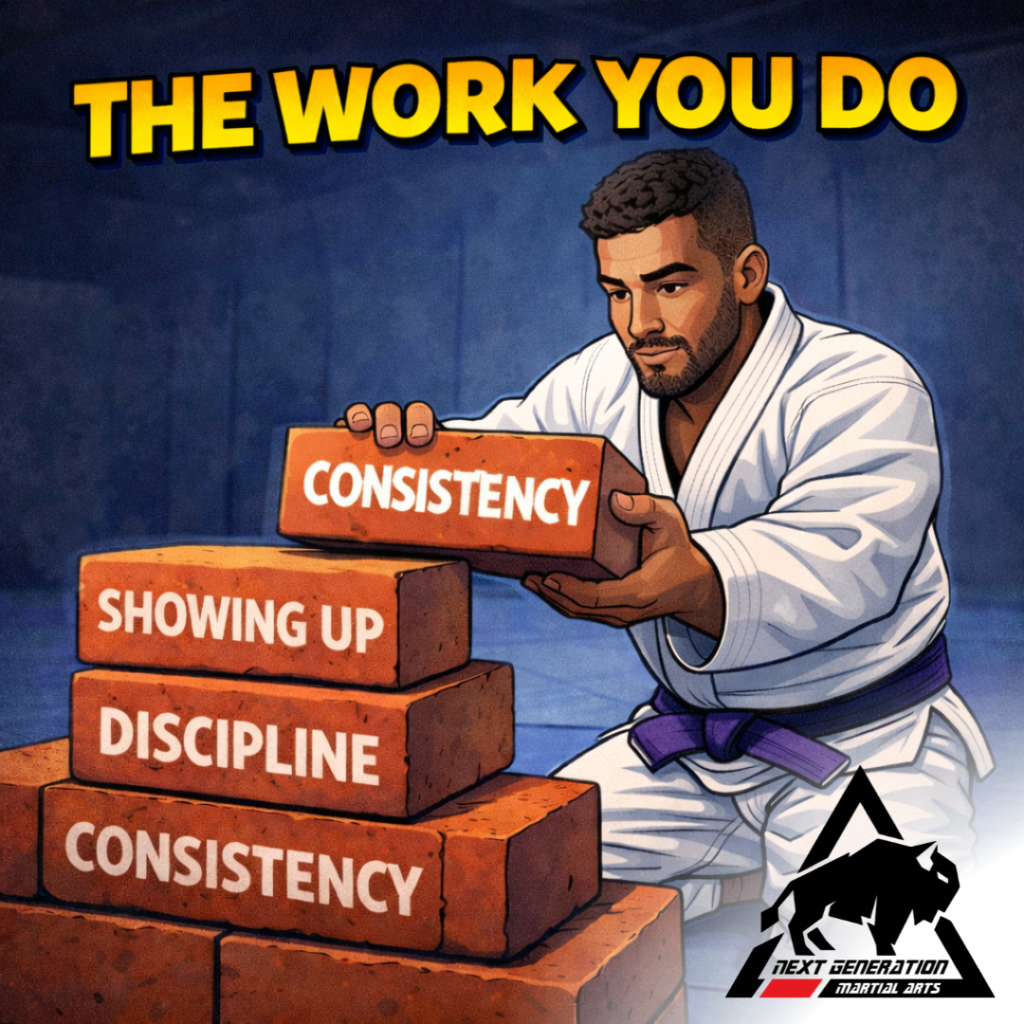 Before confidence, skill, or rank ever appear, there is consistency. This post establishes why the decisions made early in training matter more than most students realize—and how inconsistency quietly undermines progress long before anyone quits. It is the starting point for understanding how jiu jitsu actually works long-term.
👉 Read the full article
002 – Trusting the Jiu Jitsu Process When Progress Feels Slow
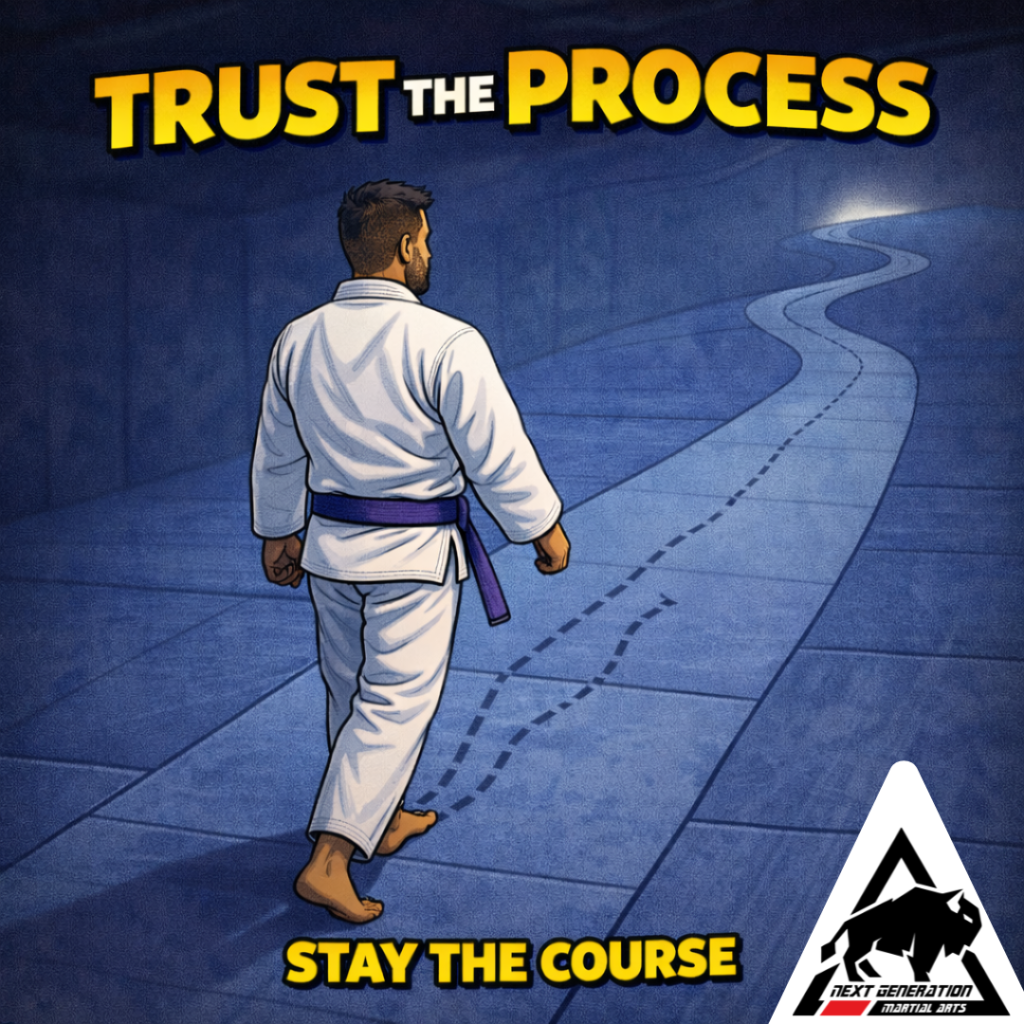
Once students commit to training, doubt often appears before confidence does. This entry explains why progress can feel slow even when it’s moving in the right direction, and how emotional reactions—not lack of ability—cause most people to change course too early. It reframes patience as a skill and trust as an active choice during the early months of training.
👉 Read the full article
003 – Recognizing Progress in Jiu Jitsu 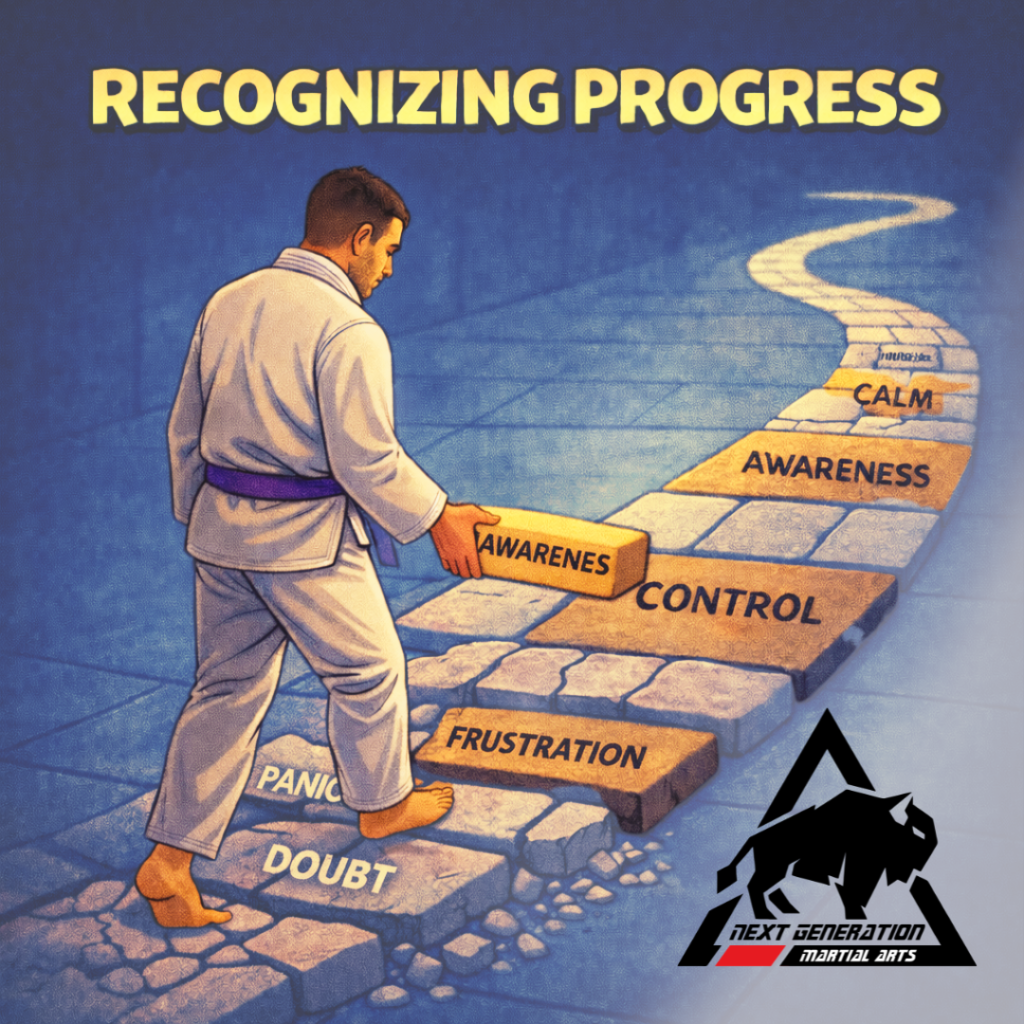
As training continues, many students struggle to recognize progress because it no longer looks dramatic. This post explains how improvement often appears first as calm, awareness, and emotional control rather than visible success. It helps students understand why learning to relax, respond consistently, and measure progress against their past self—not others—is critical for long-term development and future promotions.
👉 Read the full article
004 – Discipline Over Motivation
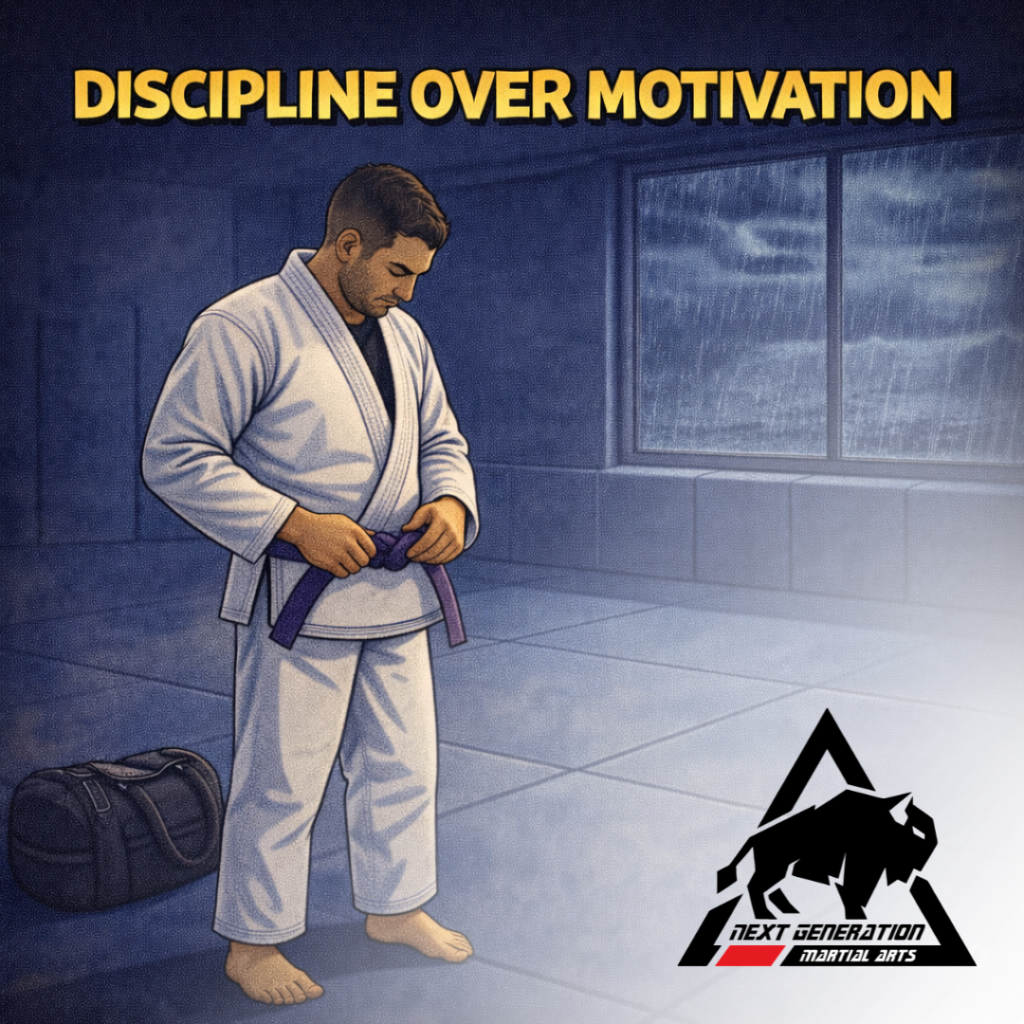
Many students mistake motivation for commitment. This entry explains why motivation is temporary, why discipline matters more, and how quiet consistency shapes who lasts in training. It reframes discipline as the foundation that carries students through frustration, boredom, and difficulty when feelings can no longer be trusted.
👉 Read the full article here
005 — Ownership and Personal Responsibility
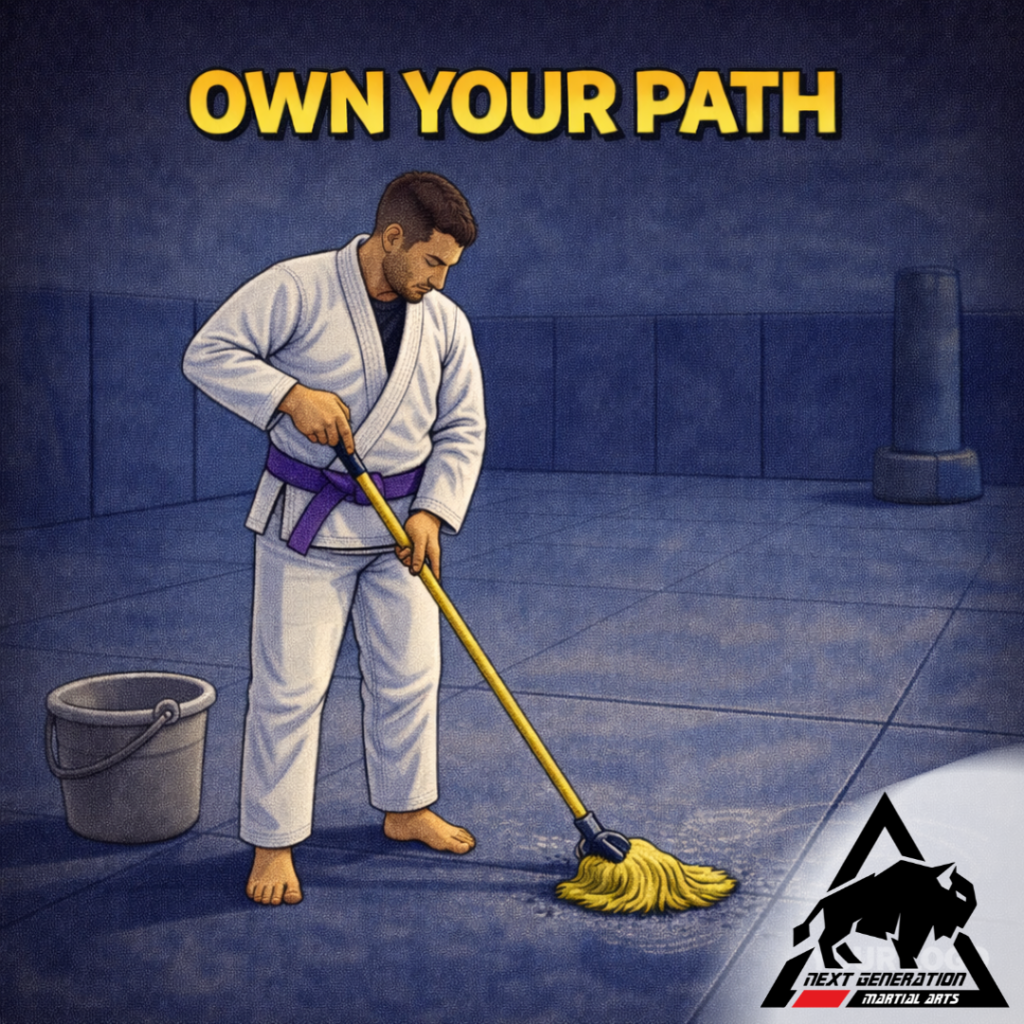 Ownership marks the point where training becomes personal. This entry explains how taking responsibility for one’s progress changes the way students learn, respond to failure, and develop confidence. It reinforces why long-term improvement requires self-direction rather than reliance on external answers.
👉 Read the full article here
006 – Being a Good Training Partner is Leadership
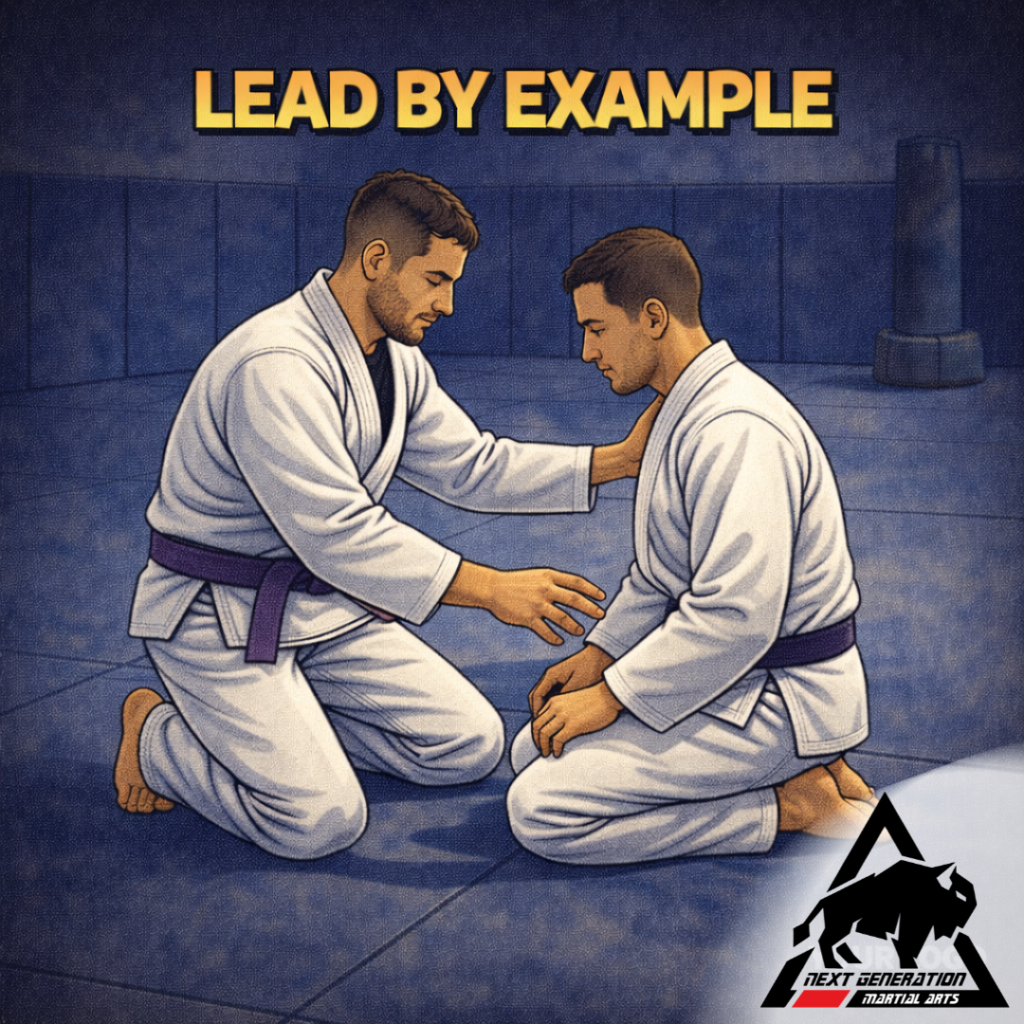 Progress eventually extends beyond personal development and begins to shape the room. This post explains why being a good training partner in jiu jitsu requires awareness, adaptability, and responsibility toward others. It reinforces that leadership is not about rank or athletic ability, but about contributing to a culture of trust that allows everyone to train safely, consistently, and with purpose.
👉 Read the full article here