
Martial Arts Training in Thibodaux for Every Stage of Life
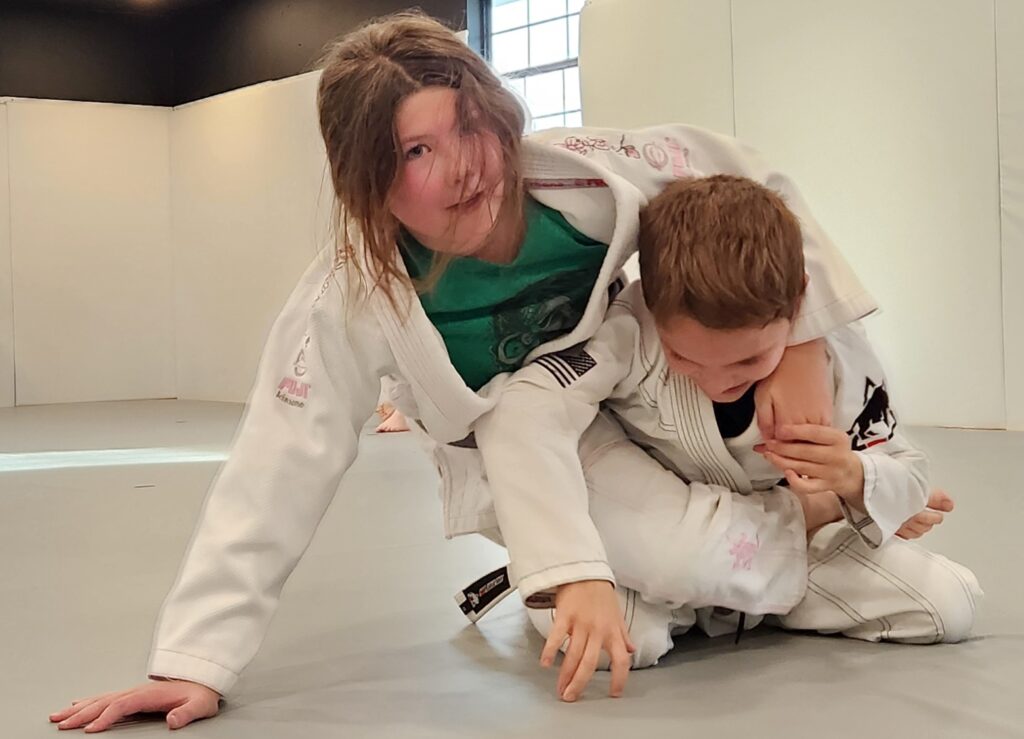
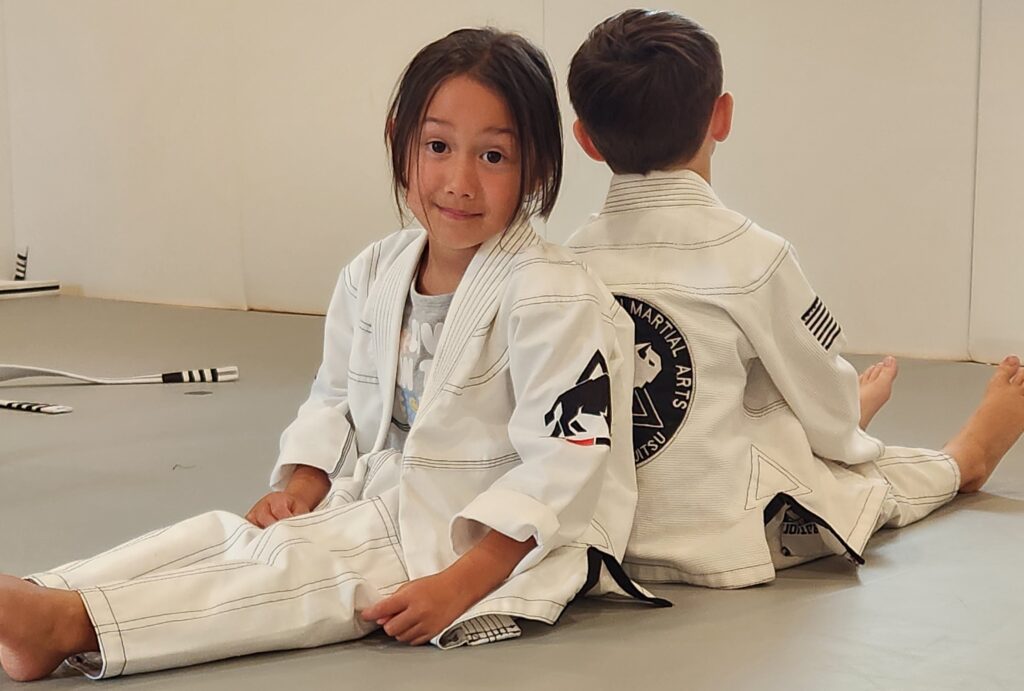
From a four-year-old's first day on the mats to an adult earning a blue belt, Next Generation Martial Arts is built as one connected path. Kids start with the basics that fit their age — listening, body control, getting to top — and each stage earns the next, leading into the same Brazilian jiu jitsu curriculum the adults train. One gym, one system, every age.
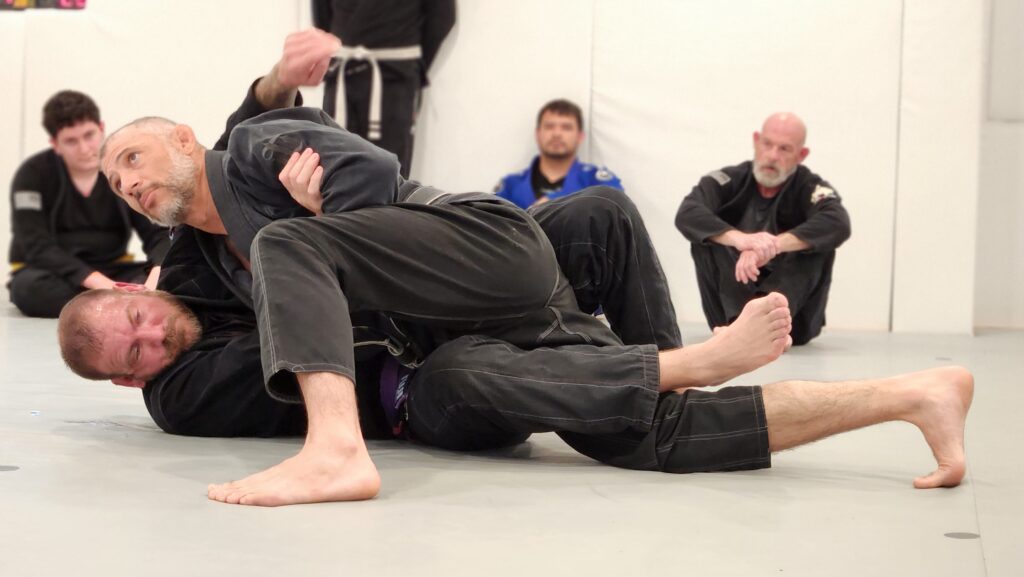
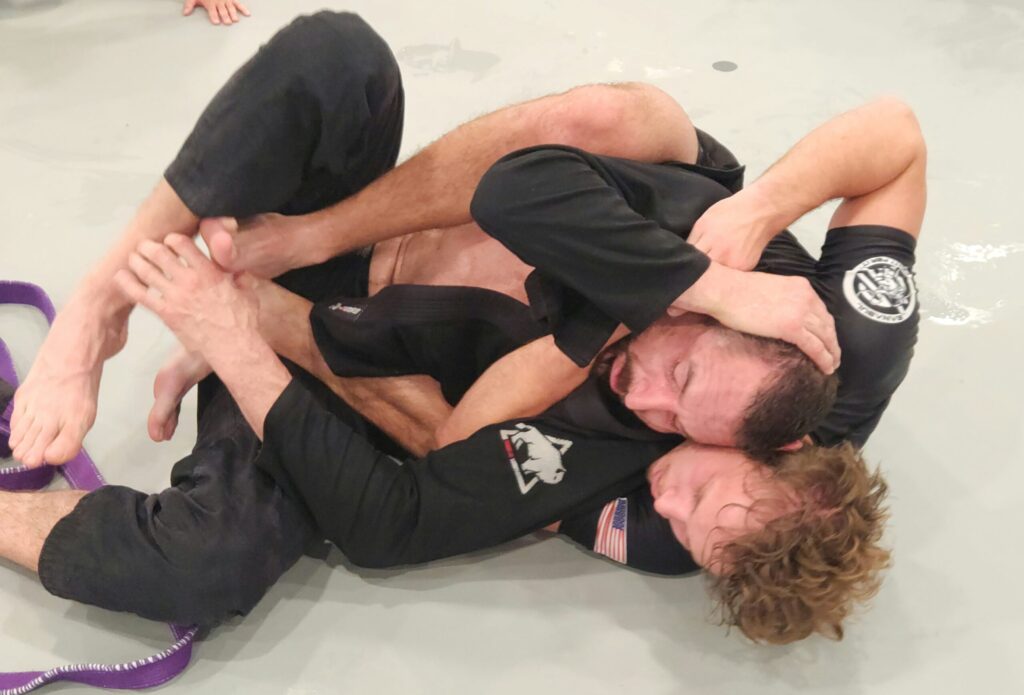
The heart of the gym. A complete, written curriculum that maps every position over a two-year, 96-week roadmap to blue belt — drilled live in class and filmed so you can review any lesson between sessions. Gi and no-gi. No experience needed, all fitness levels welcome.
More than martial arts. Each stage is built to grow focus, confidence, discipline, and respect at a pace that fits the age — the kind of character that shows up at school and at home. Pick your child's age to see the program.


Every stage is built to earn the next. A child who starts at four isn't in a holding pattern — they're on a deliberate path that leads into the same curriculum our adults train, all the way to blue belt.
Why NGMA Is Different
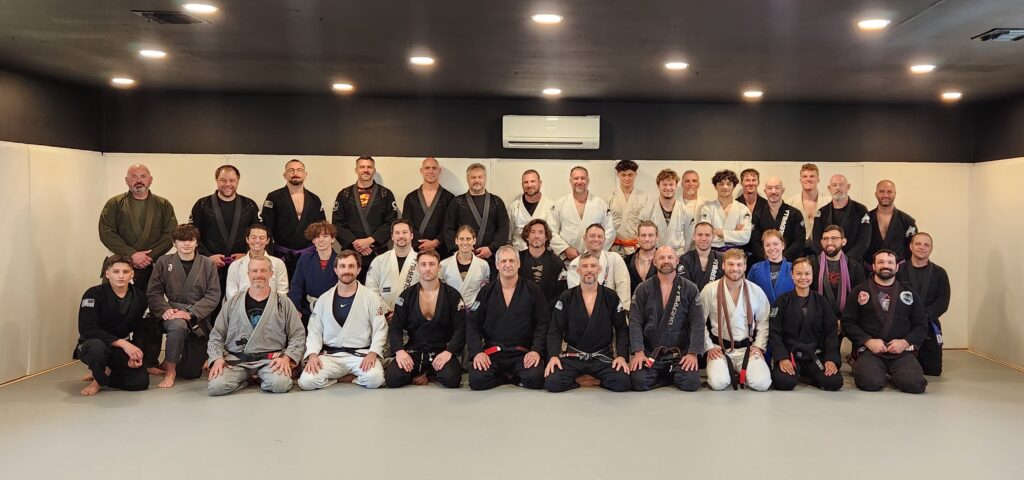
Walk through the door and you'll feel it right away. This is a room built on respect instead of ego — training partners who want to see you get better, coaches who actually know your name, and beginners working right alongside seasoned grapplers. You're not a membership number here. You're part of the gym.
That welcoming environment runs on real structure. Every program follows a written, step-by-step curriculum — a clear path for adults and an age-appropriate progression for kids — backed by an online training platform members can use to keep learning between classes.
Loved by Thibodaux Families & Students
Curious what training looks like? Your first week is completely free.
Claim Your Free WeekThe only gym in the area with a complete online curriculum
Every position and every week of the program is written down and filmed. So training doesn't stop when class ends — members can review the exact lesson they drilled, on their own time, between sessions. It's the difference between taking classes and following a real path.
See the curriculum →